Earlier this year, a Georgetown homeowner filed plans for a basement addition. On paper it looked like a textbook case for the Old Georgetown Board: new square footage, new construction, inside the historic district Congress carved out in 1950. Instead the case came back with almost no discussion. A site visit confirmed the addition would not be visible from the public way, and the file went to the city's Historic Preservation Review Board instead. No design critique. No back and forth on materials. The project simply was not the Board's problem.
That outcome is the thing most people underwriting a Georgetown renovation get backward. They assume the regulatory weight of the historic district falls evenly across a project, scaled to its size or its budget. It doesn't. It falls entirely on what a person standing on the sidewalk or in the alley can see. A $2 million interior gut behind an untouched brick facade can move through the city's standard permitting timeline with no design review at all. A $40,000 fence can sit in front of a board for months. Understanding which side of that line your project falls on is the actual feasibility question in Georgetown, more than square footage or budget ever will be.
The Board Reviews the Sidewalk, Not the House
Georgetown was designated DC's first historic district under the Old Georgetown Act of 1950, and the Act put a federal body, the Commission of Fine Arts, in charge of design review for the neighborhood. The Commission appoints three architects to serve as the Old Georgetown Board, which does the actual case review at monthly meetings. Its authority, according to the DC Office of Planning, is limited to construction that can be seen from a public street or alley. Everything else in the neighborhood, meaning exterior work that genuinely can't be seen from public space, falls to the city's own Historic Preservation Review Board and Historic Preservation Office.
The Commission of Fine Arts is explicit on one detail that trips people up: review is not required if there are no proposed changes to the exterior of the property at all. A gutted kitchen, a reconfigured basement layout, new mechanical systems tucked inside existing walls, none of it touches the Board's jurisdiction. That is also why the dominant renovation pattern in Georgetown is a full interior rebuild behind a preserved shell. It isn't just aesthetic preference. It's the fastest legal path to a finished project.
Two Reviews, Two Calendars, One Permit
The two review bodies rarely overlap on the same project, but a buyer or owner needs to know which one applies before finalizing a design, because the calendars and the standards are different.
| Old Georgetown Board / CFA | HPRB / Historic Preservation Office | |
|---|---|---|
| Triggers when | Work is visible from a street or alley | Work is not visible from public space, or falls outside CFA's Georgetown jurisdiction |
| Meets | Monthly, with recommendations rolled into an Old Georgetown Appendix for full Commission action roughly two weeks later | On its own separate cycle for citywide preservation matters |
| Final say | Commission of Fine Arts action required before the Department of Buildings releases a permit | HPRB and HPO sign off directly |
| Determines visibility | CFA staff site visit; vegetation is explicitly not counted toward screening a project from view | N/A, since these are the projects visibility already ruled out |
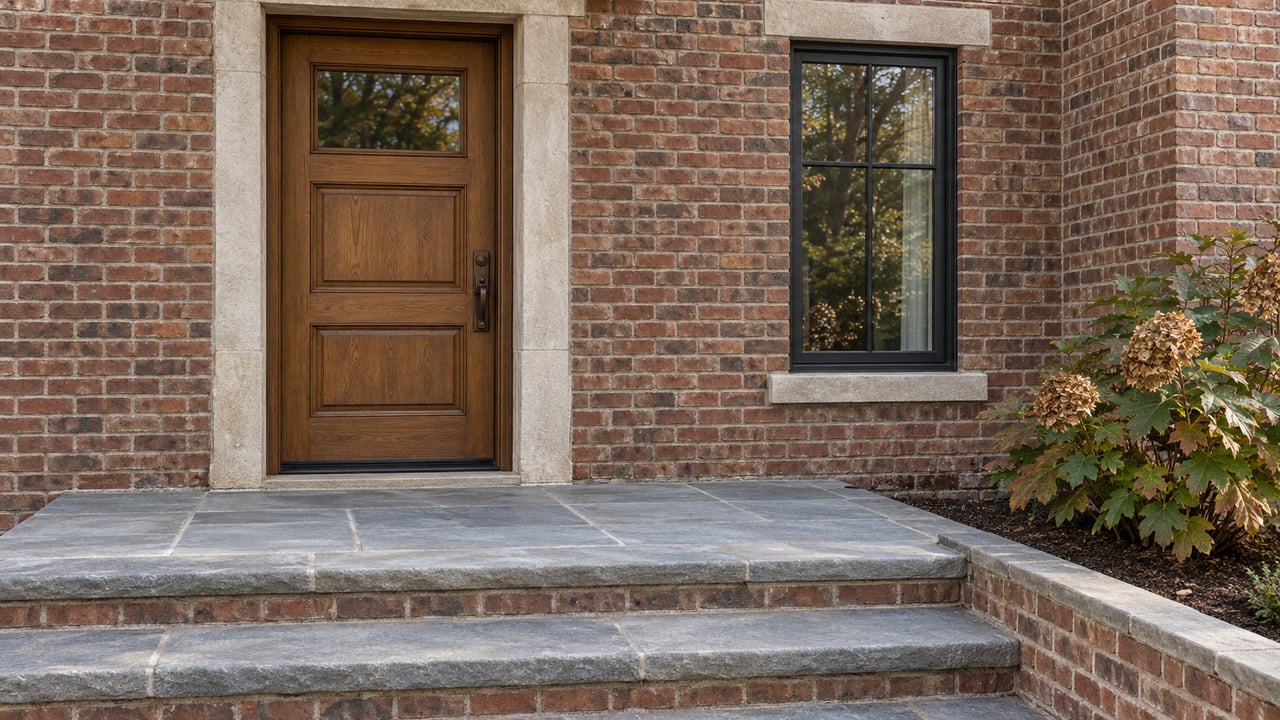
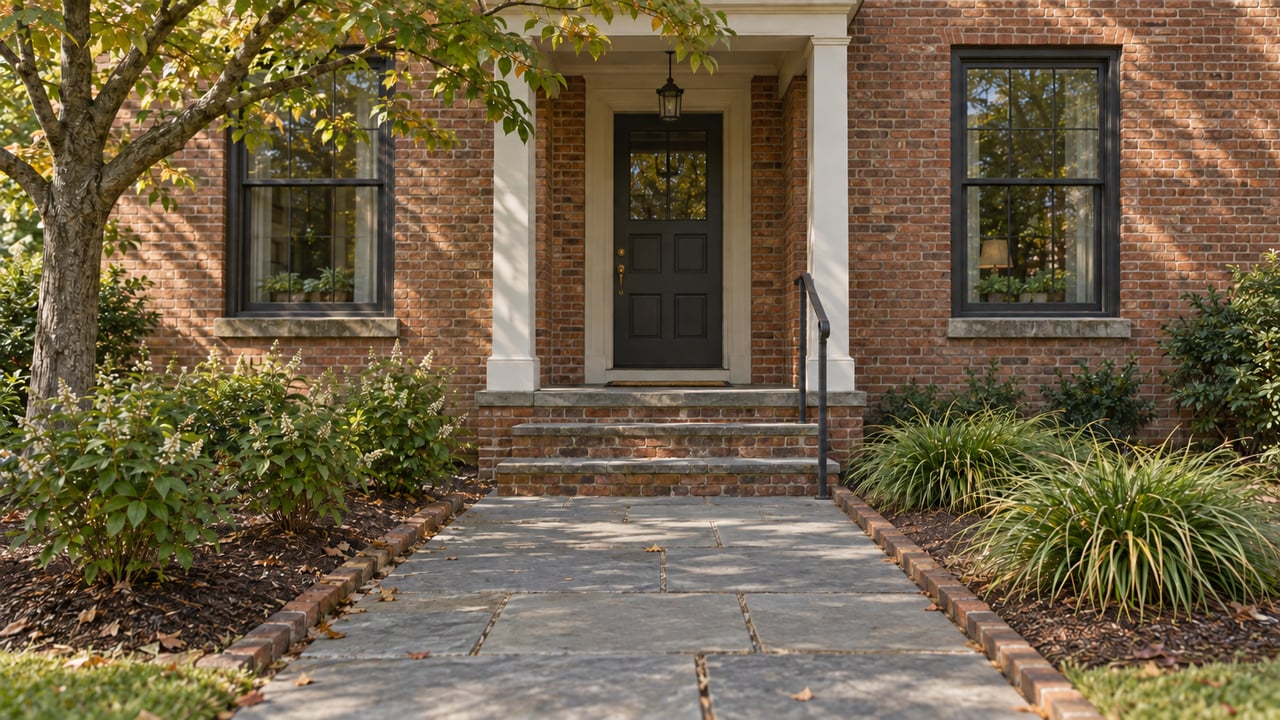
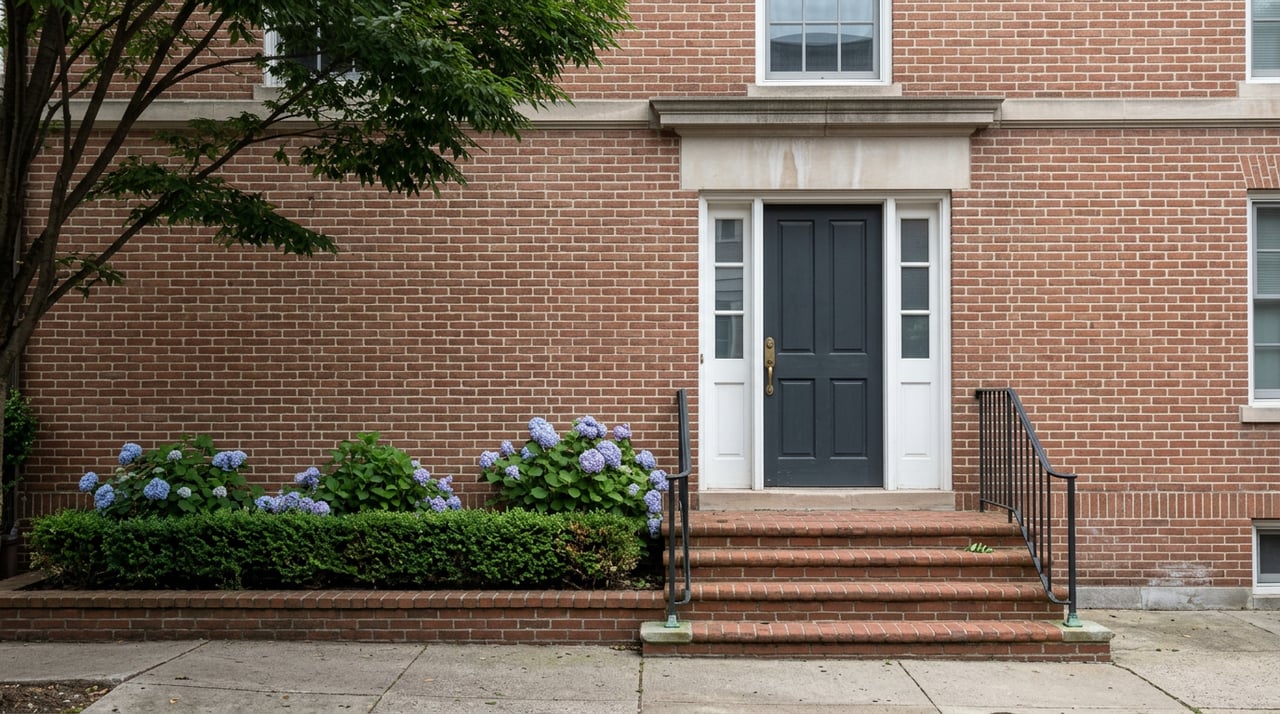
That last row matters more than it sounds like it should. A mature hedge or a tall fence does not shield a rear addition from Old Georgetown Board review. The Commission's own FAQ states plainly that vegetation isn't a factor in the visibility determination. If you're picturing "visible" as limited to your front door and window boxes, the Board's case record says otherwise. Elsewhere in this year's case record, a rooftop replacement, including flashing, gutters, and downspouts, went through full review, with the Board requiring the copper panels on a gable pediment be replaced in kind and documentation of the existing gutter material before approval. Rear elevations count. Alley-facing work counts. Roofing, window and door replacements, paint on previously unpainted masonry, fences, garden walls, dormers, and stoops are all fair game if they can be seen from public space.
The Four-Year Clock and the 10 to 20 Percent Line
Two numbers matter most if you're pricing a Georgetown project against a comparable renovation somewhere else in the city.
The first is time. The Old Georgetown Board meets once a month, and its recommendations don't become final until the full Commission acts on the Old Georgetown Appendix roughly two weeks later. That two-step structure means even a straightforward, uncontested project needs to clear two separate meeting cycles before the Department of Buildings will release a permit, because the Act requires final Commission action first. Filing deadlines follow the same rigid pattern. For the Commission's May 2026 meeting, the filing deadline fell three weeks ahead of the meeting itself. Miss it and the next opportunity is a full month away. Industry practitioners familiar with the Board's calendar describe a review timeline of roughly four to twelve weeks depending on scope, and note that a design rarely clears on the first submission. It can take multiple presentations and several months to finalize an exterior design that satisfies the Board.
The second number is cost. Because the Board can require specific materials, in-kind replacement, and design revisions on anything visible, practitioners who work in the district commonly budget an additional 10 to 20 percent on renovation costs to absorb those requirements, separate from the underlying construction budget. A buyer modeling a Georgetown refresh against a comparable rowhouse renovation elsewhere in the city, without building in that premium, is underwriting a different project than the one they're about to start.
There's a third detail worth knowing if you're buying a property with previously approved but unbuilt plans already in hand. Old Georgetown Board and Commission approvals expire after four years. If construction hasn't substantially started by then, whoever owns the property has to resubmit for a new review from scratch. Inherited approvals aren't a guarantee. Confirm the clock before you count on someone else's design work.
What's Actually Under Construction Right Now
None of this has slowed the neighborhood down. Georgetown is in the middle of an unusually active construction stretch. EastBanc's Miradoro project at 2715 Pennsylvania Avenue NW is bringing seven luxury residences, including a penthouse up to 3,600 square feet, to a site that marked what the developer's principal called the first crane the neighborhood had seen in six years. On Georgetown University's campus, the Hoya Hotel completed a renovation and rebrand, reopening in the spring or summer of this year.
The sales data tracks that activity without smoothing over how differently the neighborhood's price ladder reads depending on which slice you're measuring. As of June 30, 2026, one home-value index put the neighborhood's typical home value at roughly $1.51 million, up 2.3 percent year over year, with homes going to pending in about fourteen days. A separate snapshot of actual closed sales through February 2026 showed 39 transactions at a $1.726 million median, with homes spending about 60 days on market before closing. The gap between those two figures isn't a contradiction so much as a reminder that a rolling value index and a small-sample closed-sale median measure different things in a neighborhood where housing stock ranges from former servants' quarters to detached waterfront estates. Either way, the spread between an untouched rowhouse and a fully renovated one two blocks over has less to do with taste and more to do with which side of the visibility line the work fell on.
What This Means for Your Feasibility Period
If you're comparing a Georgetown project to a similar one outside the historic district, the useful question isn't "how old is the house." It's "how much of my plan changes what's visible from the street or alley." An interior-only renovation, no matter how extensive, generally clears the city's standard timeline. An exterior-forward one, a rear addition, new windows, a fence, is a different regulatory path entirely, with its own calendar and its own cost premium.
This is exactly the kind of variable a feasibility phase is built to surface before a design gets too far along to adjust cheaply. Confirming whether your planned scope trips OGB review, understanding which elements of your design the Board is likely to scrutinize, and sequencing a permit application around the monthly filing calendar are the difference between a Georgetown project that stays on schedule and one that discovers its real timeline mid-construction.
Does a kitchen or bathroom renovation need Old Georgetown Board review? Generally no, as long as the work doesn't change the exterior of the property. Interior-only projects typically proceed on the city's standard permitting timeline without design review.
What happens if I buy a property with an approved but unbuilt design already on file? Confirm the approval date first. Old Georgetown Board and Commission of Fine Arts approvals expire after four years if construction hasn't substantially started, at which point a new review is required from scratch.
Georgetown's review process rewards buyers and owners who plan around it rather than discover it. Chesapeake Custom Homes & Development builds that review calendar into the feasibility phase of every Georgetown project, before design dollars are spent on a scope that the sidewalk test will reshape later. Schedule a Feasibility Consultation to find out which side of that line your project falls on.