If you are thinking about remodeling in Kensington, you are not imagining the opportunity here. This is one of those places where older homes, a walkable town setting, and a strong sense of place naturally support careful, well-planned updates. When you understand how Kensington’s housing stock and review framework work together, you can make smarter choices about what to change, what to preserve, and how to add value without losing the home’s character. Let’s dive in.
Why Kensington supports thoughtful remodeling
Kensington stands out because it combines everyday convenience with a housing mix that invites adaptation. Montgomery Planning describes the area as offering neighborhood services and retail, with a mix of housing types and a town-center vision built around pedestrian-friendly connections for walking and biking. The Town of Kensington also highlights local shopping and dining areas, Antique Row, and a year-round farmers market at the Historic Train Station.
That kind of setting matters when you are planning a long-term investment in your home. In the broader Kensington area, Census QuickFacts shows high owner occupancy and strong residential stability in both North Kensington and South Kensington. In practical terms, that points to a community where people tend to stay, improve their homes, and think carefully about how changes fit the street and the neighborhood.
Older homes create real design potential
Kensington is especially well suited to remodeling because it has a deep inventory of older homes. County planning materials describe the Kensington Historic District as one of Montgomery County’s largest historic districts, with about 180 buildings and a rich mix of late-19th- and early-20th-century architecture, including Queen Anne, Shingle, Eastlake, and Colonial Revival styles.
For a homeowner, that usually means your house already has design features worth building on. Original proportions, porches, trim, rooflines, and masonry often give you a strong starting point. Rather than wiping that away, the most successful remodels in Kensington tend to improve how the house lives while keeping its visible identity intact.
Why adaptation often works better than replacement
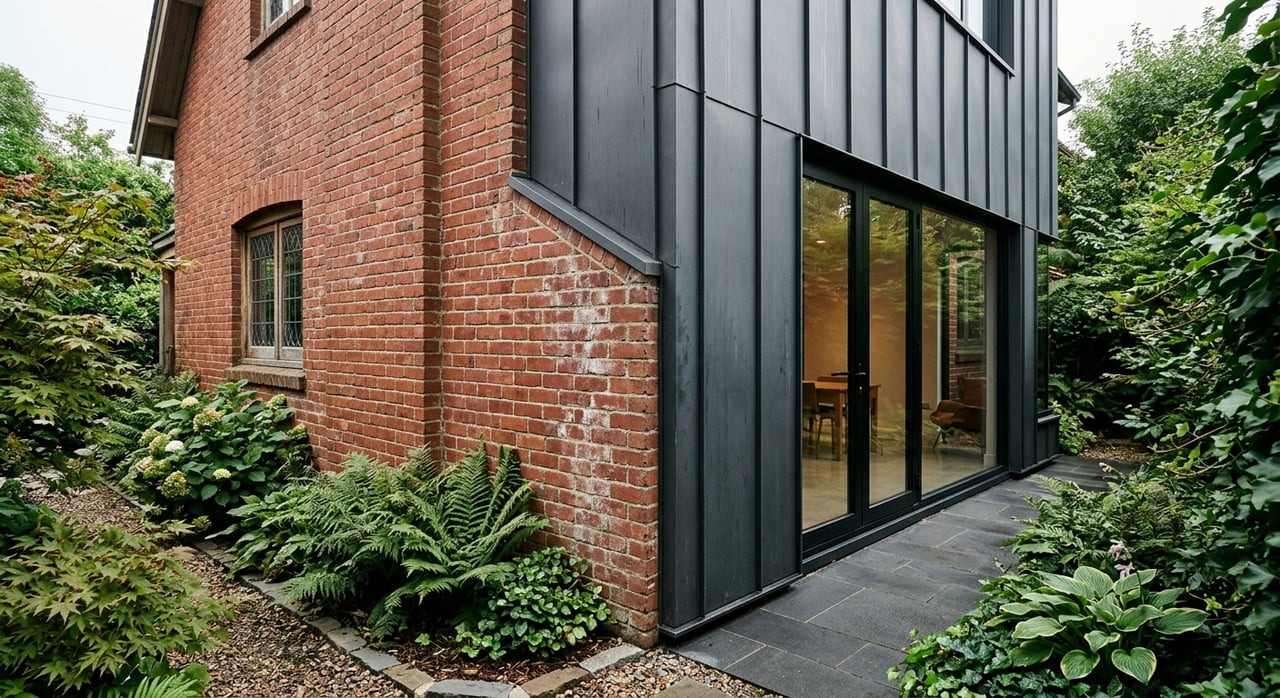
Montgomery Planning’s guidance for Kensington emphasizes preserving historic character while encouraging innovative design that reinforces the town’s identity. The county’s rehabilitation standards say additions should be differentiated from the old but still remain compatible in massing, size, scale, and architectural features.
That is a useful framework for homeowners. It suggests that Kensington often rewards remodeling strategies that respect the original house instead of overwhelming it. In many cases, the best result is not the biggest change. It is the one that feels natural from the street and far more functional once you are inside.
Best remodeling projects for Kensington homes
Rear additions with a lighter footprint
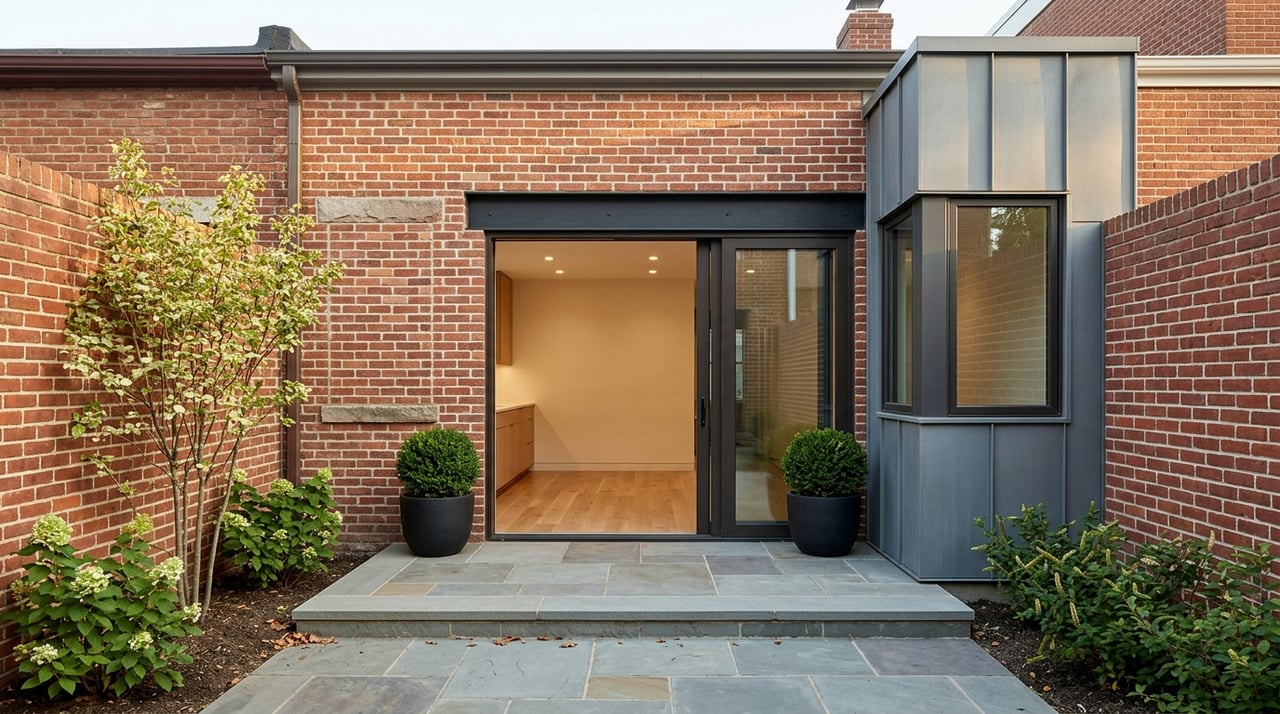
Rear additions are often a strong fit in Kensington, especially for older homes that need more kitchen, family, or mudroom space. Because the front-facing character of the house remains more intact, this approach can create meaningful square footage without competing with the original architecture.
For many homeowners, this is where thoughtful planning pays off. A rear addition can open up daily living, improve connection to the yard, and support modern family routines while keeping the home’s public face more consistent with its surroundings.
Interior reconfiguration for modern living
Interior work is often one of the clearest opportunities in Kensington. Montgomery Planning notes that county historic review generally covers additions and exterior alterations, but not interior work.
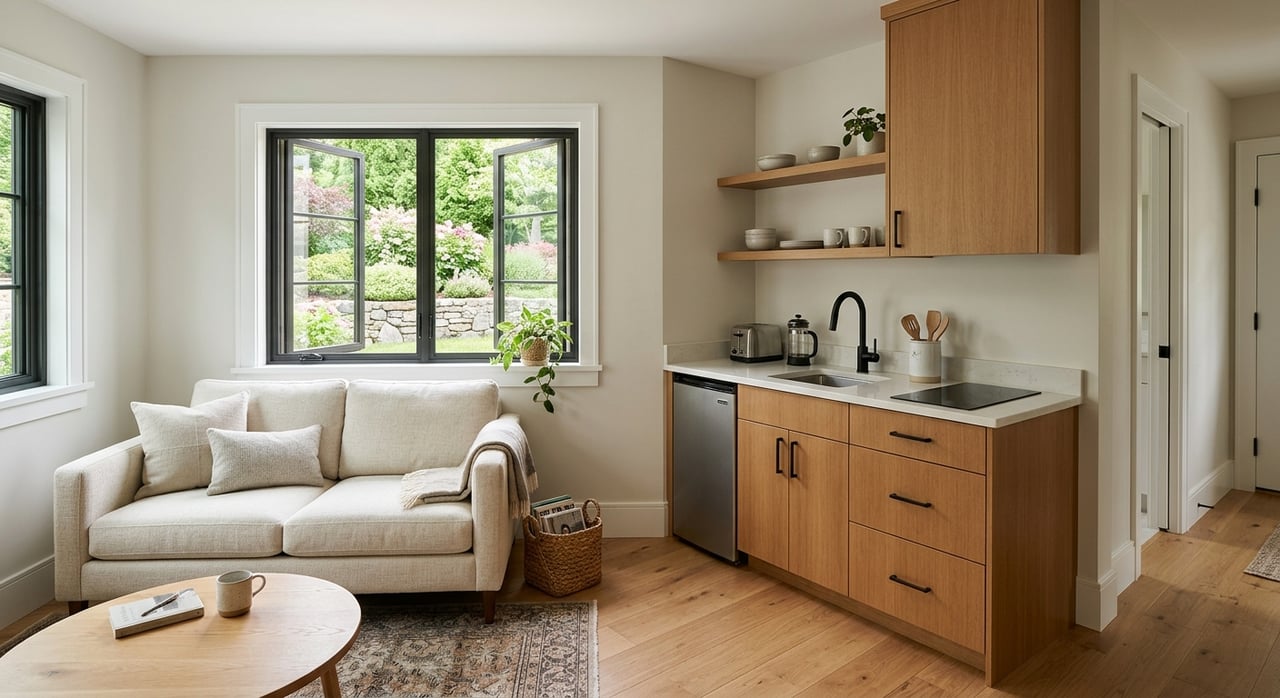
That can make interior re-planning an especially practical move if your home has small rooms, awkward circulation, or underused areas. You may be able to improve flow, add storage, create a better kitchen layout, or carve out work-from-home space without triggering the same level of review as a visible exterior change.
Porch, window, roof, and masonry work
Kensington is also a strong place for restorative exterior work. County preservation resources recognize items like porch restoration, window repair, roof work in kind, masonry repointing, and trim preservation as eligible project types when they are properly documented.
These projects may not always sound dramatic, but they can have a major effect on comfort, appearance, and long-term durability. They also tend to support what makes older homes in Kensington appealing in the first place, which is their detail, craftsmanship, and street presence.
Attic, basement, dormer, and office conversions
If you need more usable space, smaller-scale space-making projects can be a smart answer. Attic, basement, dormer, and office conversions often add function without changing the overall profile of the house as much as a large visible addition.
In a place like Kensington, that balance matters. You can often gain square footage for guests, work, play, or storage while keeping the home visually grounded in its original form.
Comfort and light upgrades
Some of the best remodels are not the flashiest. Better circulation, improved natural light, and a more comfortable day-to-day layout can make an older home feel dramatically different without erasing what gives it personality.
When exterior components are involved, county standards generally prefer repair first and in-kind or compatible replacement when needed. That makes Kensington a good fit for homeowners who want a house that functions better but still feels authentic.
What to check before you design
Confirm historic status early
One of the first steps is to find out whether your property sits within the Kensington Historic District or is otherwise listed on the county Master Plan for Historic Preservation. Montgomery Planning notes that exterior work on designated properties requires a Historic Area Work Permit before a building permit.
That is an important detail to address at the beginning, not after design is underway. Early confirmation can help you understand what is likely to be reviewed and shape a better scope from the start.
Know that local review may come first
Montgomery Planning also notes that some local governments, including Kensington, may need to review proposed changes before a Historic Area Work Permit is filed. If your project affects the exterior, this can influence your timeline and your planning sequence.
A clear process upfront can save you time later. It also helps you and your design team focus on solutions that are more likely to align with local expectations.
Understand what may qualify for tax credits
If your home is designated, certain exterior preservation work may qualify for the county historic-preservation tax credit. Montgomery Planning states that the credit can offset 25 percent of documented expenses for qualifying exterior maintenance, restoration, or preservation work on designated properties.
It is equally important to understand the limits. New construction and interior work are not eligible, so you will want to separate preservation-related exterior scope from broader remodeling goals when evaluating project costs.
Questions homeowners usually ask in Kensington
Is an addition allowed?
In general, additions may be possible, but visible exterior changes deserve early review. The key issue is usually not whether change is possible, but whether the design remains compatible with the original house in size, scale, and architectural character.
That is why measured design tends to perform so well here. A well-placed addition that respects the existing home often has a much smoother path than a proposal that dominates the structure.
Is interior-only work easier?
Often, yes. Since county historic review generally does not cover interior work, interior-only projects can be more straightforward from a review standpoint.
That does not mean the design should be casual. It means you may have more freedom to solve layout and function problems while preserving the exterior qualities that make the house feel rooted in Kensington.
Should you preserve or replace?
In Kensington, the answer is often preserve where possible and replace carefully where needed. County standards favor repair first, followed by in-kind or compatible replacement.
That approach is not just about compliance. It often leads to a more cohesive result, where new work feels deliberate rather than disconnected from the original architecture.
Why process matters as much as design
Thoughtful remodeling in Kensington is rarely just about choosing finishes or adding space. It is about balancing design intent, local review, existing conditions, and long-term value in a way that respects both the house and the setting.
That is why a disciplined, phased approach can make such a difference. When feasibility, design coordination, budgeting, and construction planning happen in the right order, you can make decisions with more clarity and fewer surprises.
For homeowners considering a major renovation or addition, Kensington offers real upside. The area’s walkable structure, stable ownership base, and rich stock of older homes create a strong backdrop for projects that improve daily life while preserving the qualities that made the home worth choosing in the first place.
If you are considering a design-forward renovation or addition in Kensington, Chesapeake Custom Homes & Development brings principal-level involvement, transparent process, and close collaboration with architects and designers to complex residential projects.
FAQs
What makes Kensington, MD a strong place for home remodeling?
- Kensington combines a walkable town center, neighborhood services, a stable ownership base, and a large inventory of older homes that often respond well to careful renovation.
What types of remodeling projects fit older Kensington homes best?
- Rear additions, interior reconfigurations, porch and window rehabilitation, roof and masonry repairs, and attic or basement conversions often fit well because they improve function without overwhelming the original house.
Do Kensington historic homes require special approval for exterior work?
- Yes. If a property is in the Kensington Historic District or otherwise designated on the county Master Plan for Historic Preservation, exterior work requires a Historic Area Work Permit before a building permit.
Is interior remodeling easier than exterior remodeling in Kensington?
- Often yes. Montgomery Planning notes that county historic review generally covers additions and exterior alterations, but not interior work.
Can Kensington homeowners get a tax credit for preservation work?
- Some can. Montgomery Planning says designated properties may qualify for a county tax credit equal to 25 percent of documented expenses for qualifying exterior maintenance, restoration, or preservation work, but interior work and new construction are not eligible.
What should Kensington homeowners check before planning an addition?
- You should confirm whether the home is historically designated, understand whether local review may be required before county filing, and make sure the proposed addition is compatible with the home’s existing size, scale, and character.