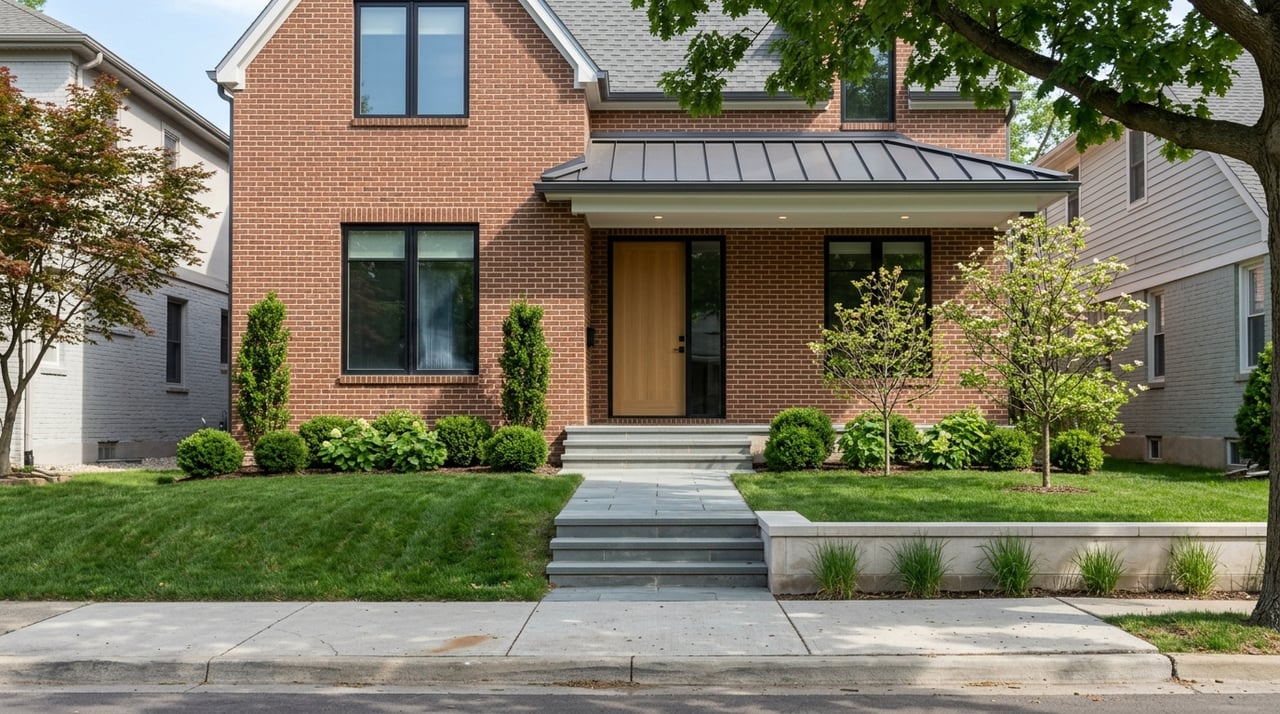
Thinking about building a custom home in Bethesda? The lot may look perfect at first glance, but lot size alone rarely tells you what you can actually build. Zoning, setbacks, slope, drainage, trees, access, and even the lot’s history can all shape the final design. If you want to make a smart decision before buying land, planning a teardown, or starting a major renovation, understanding the site is the best place to begin. Let’s dive in.
Why the lot matters first
In Bethesda, your lot creates the starting framework for your custom home. Montgomery County’s Zoning Division regulates building size, shape, height, mass, and permitted uses, which means the property itself often defines what is realistic long before design details are finalized.
That is why two properties with similar square footage can lead to very different homes. The buildable area may change based on frontage, setbacks, lot type, topography, and permit requirements tied to that specific parcel.
For homeowners and buyers, the key takeaway is simple: a promising address is not the same thing as a straightforward build site. A feasibility review early in the process can help you understand what the lot supports before you invest too far into design.
Zoning sets the buildable envelope
The first step is identifying the property’s zoning. Montgomery County provides a tool to find your zoning by address, and from there you can review the standards that apply to that parcel.
For example, if a property is in the R-60 detached-house zone, county guidance lists standards such as a minimum lot size of 6,000 square feet, maximum lot coverage of 35 percent, a minimum front setback of 25 feet or an established building line, a minimum side setback total of 18 feet with one side at 8 feet, a minimum rear setback of 20 feet, and maximum height limits tied to roof peak and mean height. These standards are outlined in the county’s R-60 development standards guide.
That may sound straightforward, but the details matter. The county also distinguishes lot width at the front building line from frontage at the street line, which is one reason similarly sized lots can produce very different footprints.
Frontage and setbacks change the footprint
A lot can have plenty of square footage and still feel tight once setbacks are applied. Front, side, and rear setback requirements shrink the area where the house can actually sit.
Frontage can create another constraint. If the lot narrows where the house must be placed, your design options may be more limited than the total lot size suggests.
Height depends on more than the plans
Height is not just about what you draw on paper. Montgomery County explains that building height is measured from average grade, and that average is calculated from point grades along the front of the building.
On a sloped site, this can affect how much of the home reads above grade and how the massing works from the street. It can also influence foundation design, grading, and whether retaining walls become part of the solution.
Infill rules can affect older lots
In Bethesda, lot history can be just as important as lot size. Montgomery County notes that infill development standards may apply in R-40, R-60, R-90, and R-200 zones under specific conditions.
A project may be treated as infill if the lot was created before January 1, 1978, or through a small resubdivision from a pre-1978 plat, the lot is under 25,000 square feet, and the proposed work is a new detached house, a demolition and rebuild of more than 50 percent of the floor area, or an addition of more than 50 percent of the floor area.
When those rules apply, maximum coverage can be lower than you expect. In some cases, the allowed lot coverage falls below the standard zoning coverage, which can reduce the overall building envelope.
Why similar lots may build differently
This is one of the biggest surprises for buyers and homeowners. Two lots may appear nearly identical on paper, yet one may be subject to infill standards while the other is not.
That difference can directly affect how much house the site can support. It is one reason due diligence should happen before purchase or before you commit to a teardown strategy.
Site conditions shape design and cost
Even when zoning works in your favor, site conditions can still reshape the project. Grade, drainage, trees, utilities, and access often influence both design and budget.
Montgomery County’s Land Development Division oversees stormwater management, sediment control, floodplain management, roadside tree protection, tree canopy enhancement, work in the public right-of-way, and more. For many Bethesda custom homes, those issues are part of the normal approval path.
Slope can change the whole approach
A sloped lot can create great design opportunities, but it can also require more planning. Depending on the grade, you may need additional foundation work, regrading, retaining walls, or a different relationship between indoor and outdoor spaces.
Because height is measured from average grade, slope can also affect how the house is massed and how much flexibility you have with rooflines and floor levels. What looks like a minor change in elevation can become a major design driver.
Drainage and runoff need early planning
Water management matters on every site. A lot with similar dimensions to the one next door may still require a different drainage strategy based on grading, impervious surface, and runoff patterns.
Montgomery County’s RainScapes program highlights tools such as rain gardens, conservation landscapes, water harvesting, green roofs, permeable pavement, and pavement removal. These approaches can help manage runoff while also shaping how the site is used.
Trees, access, and permits are part of feasibility
For new home construction, Montgomery County states that right-of-way and sediment control permits are required at the time of building permit application. The county also notes that many subdivisions and developments have private deed restrictions and covenants that the county does not enforce.
That means a project may be allowable under zoning but still affected by driveway access, utility planning, grading work, or private documents tied to the property. This is another reason principal-led feasibility review can save time and reduce risk before design gets too far ahead.
Lot type changes the design strategy
Not all lots function the same way. Montgomery County zoning tools distinguish among lot types such as corner lots, pipestem lots, through lots, no-rear-yard lots, and triangular lots, and the county notes that corner lots need special attention for side-street encroachments.
The practical effect is simple: lot shape and street relationship matter. A corner lot may have added visibility and different setback considerations, while a pipestem or flag-style configuration can affect access and layout.
County legislative analysis also defines a flag lot as one that reaches a road through a narrow strip of land and a through lot as one that fronts on two different roads. Those conditions can influence privacy, circulation, and how the home sits on the site.
Neighborhood context still matters
The county also provides tools for established building lines based on neighboring lots and existing houses. In practice, that means the surrounding context can influence where the home belongs on the lot, not just the dimensions shown on a survey.
If the property is in a historic area, a Historic Area Work Permit may also be required, in addition to the normal DPS building permit. This does not apply to every property, but it is an important layer to check early when it does.
When to evaluate a Bethesda lot
The best time to evaluate a lot is before you buy it, or at minimum during due diligence. Waiting until after closing can lead to costly surprises around coverage, setbacks, height, grading, access, or infill limitations.
A smart review usually starts with zoning identification, then moves into site-specific factors like topography, lot type, permit triggers, and any additional constraints from private documents or historic review. That early work helps align design goals with what the site can realistically support.
For custom homes, major renovations, and teardown projects in Bethesda, this step is not just about compliance. It is about making better design decisions from the beginning.
What this means for your custom home
If you are planning a custom home in Bethesda, the lot is not just the backdrop for the project. It is one of the biggest design inputs you have.
A larger lot does not always support a larger home. Sometimes frontage, setbacks, grade, infill rules, or access constraints define the outcome before raw square footage does.
That is why a thoughtful, phased process matters. At Chesapeake, feasibility comes first so you can understand the site, weigh design options, and move into planning with clearer expectations around scope, budget, and approvals.
If you are considering a custom home, teardown, or major renovation in Bethesda, Chesapeake Custom Homes & Development can help you evaluate the lot before design assumptions become expensive mistakes.
FAQs
How does zoning affect a custom home in Bethesda?
- Zoning sets the baseline rules for what can be built, including lot coverage, setbacks, height, and permitted use, so it defines the starting envelope for your home.
Can a bigger lot in Bethesda always support a bigger house?
- No. Setbacks, frontage, infill rules, height measurement, lot type, and site conditions can limit the design before total lot size becomes the deciding factor.
Why do two similar Bethesda lots produce different home designs?
- Two lots with similar square footage can differ because of lot history, infill status, slope, corner or through-lot conditions, frontage, drainage, or building-line requirements.
When should you check lot feasibility for a Bethesda custom home?
- The best time is before purchase or during due diligence, starting with zoning identification and then reviewing site-specific constraints tied to that exact parcel.
Do site conditions matter as much as zoning for a Bethesda build?
- Yes. Grade, drainage, trees, right-of-way access, sediment control, and other land development factors often shape both the design and approval path.