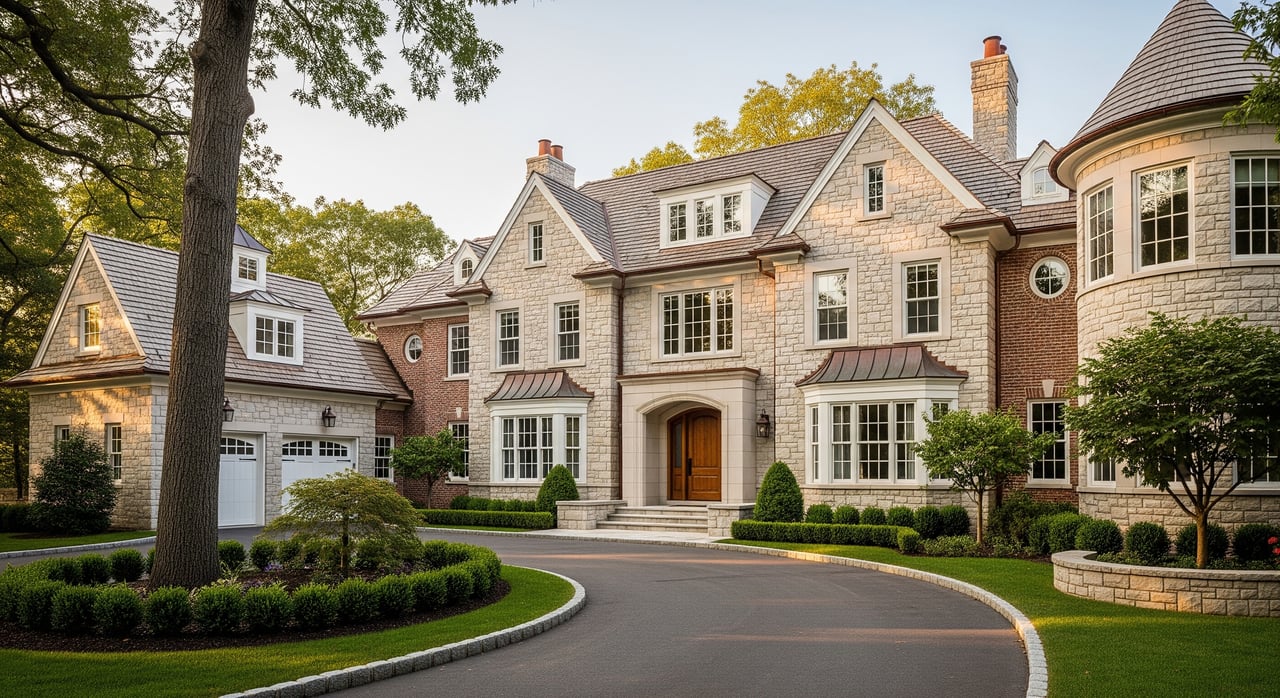
Thinking about building a custom home in Bethesda but not sure where to start? You are not alone. Between lot selection, permits, design, and construction, it can feel like a maze. This guide breaks down what it truly takes to build in 20817 so you can plan with confidence, avoid surprises, and stay on schedule. Let’s dive in.
Why build in Bethesda 20817
Bethesda sits just northwest of D.C. with strong transit and commute options that many professionals value. You have access to the Metrorail Red Line, multiple bus routes, and quick connections to I‑495, I‑270, and MD‑355. Neighborhoods range from walkable blocks near Bethesda Row to quiet, tree‑lined streets farther out, so you can choose the setting that fits your lifestyle.
Expect higher price points and discerning buyers in this market. Homes that balance energy efficiency, high‑end finishes, and scale that feels right for the street tend to do well. Some nearby towns and villages, such as Somerset and parts of Chevy Chase, may add extra steps to the review process, so it pays to confirm the jurisdiction for any lot you are considering.
Lot types you will see
Walkable urban lots
These are closer to downtown and the Metro. Lots are typically smaller with sidewalks, mature street trees, and easy access to shops and dining. Custom homes on these blocks often go vertical and pay close attention to façade design, massing, and garage placement. Setbacks can be tighter, and you may need curb or driveway permits.
Traditional suburban lots
You will find these in established single‑family neighborhoods with a mix of historic and mid‑century homes. Lots can be modest compared to exurban areas, and the tree canopy is a defining feature. Many projects are tear‑downs replaced with larger custom homes or extensive renovations. Plan for tree conservation, stormwater, and grading requirements, plus neighbor interest in scale.
Estate and semi‑estate lots
Select pockets, including the Town of Somerset and nearby areas, offer larger lots and more privacy. These sites can support larger footprints and estate‑scale architecture. Some towns have their own review boards and tree ordinances, so municipal approvals may sit alongside county permits.
Infill and lot assembly
Single‑lot tear‑downs are common in high‑demand areas. Narrow or irregular lots may trigger administrative variances or design tweaks. Early feasibility work helps you understand what is realistic before you commit.
Permits and approvals in Montgomery County
For a single‑family custom build, you will typically work with the Montgomery County Department of Permitting Services. Common approvals include:
- Building permits and inspections for the home itself.
- Sediment and erosion control for managing runoff during construction.
- Grading permits for significant earthwork or slope changes.
- Forest conservation and tree protection plans, with potential mitigation fees.
- Stormwater management to meet county engineering standards. On small lots this may require rain gardens, permeable surfaces, or other engineered solutions.
- Right‑of‑way and driveway curb cut permits, plus any required sidewalk or public‑space improvements.
- Separate WSSC Water approvals and fees for water and sewer taps and lateral locations.
Municipal and neighborhood review
Some lots fall inside incorporated towns or special jurisdictions. Places like Somerset or parts of Chevy Chase may require local building review, tree permits, or site plan approvals in addition to county permits. Historic districts or conservation overlays, where present, can add design review or require retention of key streetscape elements.
Zoning and scale
Most neighborhoods are zoned for detached homes with rules for setbacks, height, lot coverage, and floor‑area ratio. These define your buildable envelope. If your design exceeds a limit, you may pursue administrative relief or a variance. That route can add time and introduce public hearing steps.
Common site challenges
- Rock and shallow bedrock can increase excavation costs and require geotechnical input.
- Mature tree preservation often affects foundations, driveways, and footprint options.
- Older downstream stormwater systems may require stricter on‑site management.
Timeline from lot to move‑in
Every site is different, but a realistic plan helps you set expectations.
- Pre‑purchase due diligence and site analysis: 2 to 8 weeks. Includes survey, soils or geotechnical checks, utility availability, and zoning review.
- Schematic design and budget alignment: 1 to 3 months. Design concepts and early pricing feedback help you right‑size scope.
- Construction drawings and engineering: 2 to 4 months. Often overlaps with contractor selection and early procurement.
- Permitting and approvals: 1 to 6 months or more. Municipal reviews and variances can extend timing.
- Construction: 8 to 18 months or more. Site complexity, structure type, and interior finish level drive the schedule.
From purchase to move‑in, many Bethesda custom homes take 12 to 30 months.
The team you will need
- Architect or residential designer to shape massing, layout, and finishes.
- Civil engineer to handle grading, stormwater, erosion control, and utilities.
- Geotechnical engineer where rock or shallow soils are suspected.
- Structural engineer for foundations and framing systems.
- Landscape architect for tree preservation and planting plans.
- General contractor or design‑build firm to execute construction and manage subs.
- Permit expeditor or land‑use attorney, as needed, for complex approvals.
- Surveyor for boundary or ALTA surveys and lender requirements.
What drives cost in 20817
- Land price often dominates total project cost in Bethesda.
- Site work such as tree protection, mitigation fees, rock excavation, retaining walls, and grading.
- Utility connections and WSSC tap fees, including any off‑site work.
- Stormwater systems that meet county standards, especially on tight lots.
- Permitting and mitigation fees across county and municipal agencies.
- Interior finishes and systems like high‑end mechanicals, smart home features, and custom millwork.
- Design and compliance time for projects that need variances, hearings, or multi‑jurisdiction approvals.
Practical tradeoffs to consider
Design fit and neighbor context
Even when zoning allows a larger envelope, homes that respect façade rhythm, materials, and height patterns tend to encounter fewer hurdles. Early outreach to neighbors can reduce concerns, especially for curb cuts or variances.
Trees and canopy
Mature trees define many Bethesda streets. Some removal may be necessary for the new footprint, but county rules often require mitigation or replacement. Designers commonly adjust footings, driveways, or orientation to preserve key trees and manage fees.
Construction impact on the block
Tight sites make staging, deliveries, and parking more complex. Expect work‑hour limits and potential permits for sidewalk use or staging. Good builders coordinate schedules and logistics to minimize disruption and keep the project moving.
Resale outlook
Custom homes that match neighborhood scale and offer quality finishes usually hold value well in Bethesda. Overbuilding or ignoring context can affect market perception. Many buyers also look for bedroom count, yard usability, and how the home compares to typical local norms.
Due diligence before you buy a lot
- Order a current survey and confirm boundaries.
- Commission a soils or geotechnical report and a tree inventory.
- Verify zoning and any overlays with county and municipal authorities.
- Confirm water and sewer service and tap requirements with WSSC.
- Check the exact school cluster for the address with MCPS tools.
- Review covenants, easements, or historic restrictions.
- Ask a local architect or experienced builder for feasibility and rough site cost feedback.
How Chesapeake builds in Bethesda
You deserve a builder who balances creative ambition with budget clarity and schedule discipline. Chesapeake Custom Homes & Development operates on a boutique cadence with principal‑level involvement from start to finish. Our phased approach keeps decisions clear and budgets transparent.
- Feasibility: Site walk, early constraints, and rough cost drivers so you can make informed choices.
- Design assistance: Collaboration with your architect and interior designer on massing, systems, and materials.
- Value engineering: Cost options without sacrificing intent, plus plan refinements that protect schedule and approvals.
- Procurement: Sequenced selections and early orders for long‑lead items.
- Construction: Tight coordination, craftsmanship, and predictable execution.
You can engage us through a fixed‑price contract for cost certainty or a percentage‑based project management model for flexible owner’s‑rep style control. Our team is experienced with Bethesda’s permitting environment, WSSC coordination, tree and stormwater compliance, and the logistics of tight lots.
Ready to explore a lot or plan?
If you are considering a custom build in 20817, early guidance makes all the difference. Let’s evaluate your site, timeline, and budget so you can move forward with clarity. Connect with Chesapeake Custom Homes & Development to Schedule a Feasibility Consultation.
FAQs
How long does a custom home in Bethesda 20817 take?
- Most projects run 12 to 30 months from purchase to move‑in, depending on site complexity, approvals, and finish level.
Which Bethesda lot types fit walkability vs privacy?
- Near‑downtown lots offer walkability and smaller footprints, while estate and semi‑estate pockets provide more privacy and larger build opportunities.
Do towns like Somerset add steps to permitting?
- Yes. Incorporated towns and special jurisdictions may require local reviews or tree permits in addition to county approvals.
What site conditions most affect costs in 20817?
- Rock excavation, tree protection and mitigation, stormwater systems, and WSSC utility connections are common local cost drivers.
How do I confirm my school cluster for a specific lot?
- Use Montgomery County Public Schools boundary tools for the exact address, since clusters vary by location.
Will a custom home in Bethesda hold resale value?
- Homes that respect neighborhood scale and deliver quality finishes typically perform well, while overbuilt or out‑of‑context designs can face headwinds.