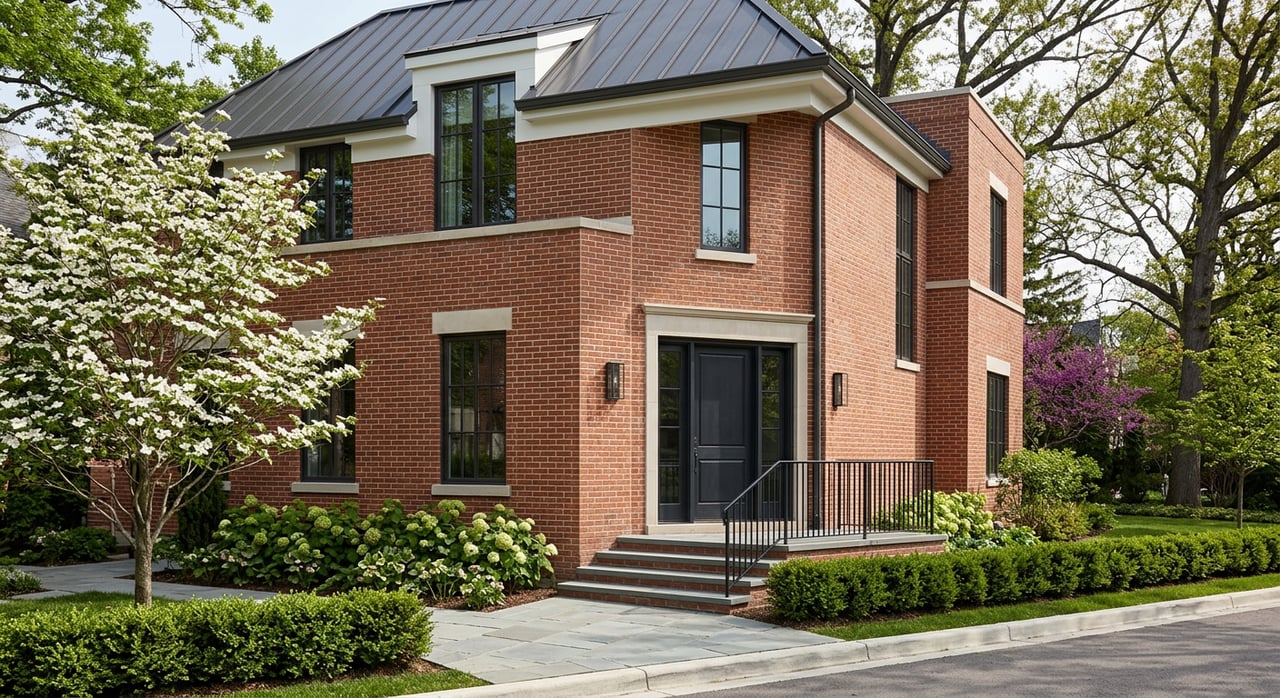
Thinking about a custom home or major renovation in NW DC but worried the rules will box in your design? You are not alone. In 20016, zoning, overlays, and historic review set clear limits on size, placement, and materials, which can affect budget and schedule. This guide gives you the building blocks you need to plan smart, avoid surprises, and keep your project moving. Let’s dive in.
What actually limits size and placement in 20016
Confirm your zone and overlays first
Before you sketch plans, look up the property on the official D.C. zoning map. Use the parcel view to confirm the base zone and any overlays that change height, FAR, lot occupancy, and yard rules. Start here to understand what is possible by right and what may need relief. Visit the DCOZ zoning map and property lookup to confirm your lot’s rules: DCOZ Zoning Maps.
Height, FAR, lot occupancy, and yards
Zoning regulates how tall you can build, how much floor area you can have, how much of the lot the building can cover, and the required rear and side yards. Many single-family R zones in NW DC allow about 40 feet and 3 stories. RF rowhouse areas often allow 35 feet and 3 stories with typical 60% lot occupancy. Always verify the specific parcel and zone. For zone-group height and measurement rules, review the zoning regulations: Zoning Regulations overview and height rules and the lot occupancy standards excerpt that references RF limits: Lot occupancy standards.
Rooftops and penthouses
Roof structures have their own height and placement rules. Mechanical penthouses and rooftop elements are measured separately and can affect setback and overall massing. If you plan a roof deck or stair penthouse, confirm how it is measured and limited. See the code’s height and roof structure section for details: Height and roof structure rules.
Accessory apartments and two-unit frameworks
In R zones, accessory apartments have owner-occupancy requirements and a 35% of house gross floor area size cap. Minimum floor areas apply in some subzones. RF zones follow different two-unit frameworks. Check the accessory apartment rules in Subtitle U §253: Accessory apartment standards.
Overlays and non-zoning reviews that matter
Historic district compatibility
Many NW blocks fall within local historic districts or include landmarks. Even if your design meets zoning, visible exterior changes can require Historic Preservation Office staff review or Historic Preservation Review Board concept review. Plan for extra materials, possible design revisions, and added time. Learn how design review works and when concept review is recommended: HPO/HPRB permits and design review.
Green Area Ratio and site drainage
New buildings and significant additions often must meet the Green Area Ratio. GAR is a point-based landscape and stormwater system that can influence site design, paving choices, and whether you include a green roof. Expect to submit a worksheet and get a Certified Landscape Expert sign-off. Read the GAR overview: Green Area Ratio guide.
Federal Height Act consideration
On some streets, the federal Height of Buildings Act sets a hard cap based on street width. If your design pushes the top of the zoning envelope, confirm the Height Act limit early. Background and guidance appear here: NCPC Height of Buildings Act.
Street and public space limits
Driveway changes, new curb cuts, and work near street trees are reviewed in public space. These permits are separate from building permits and can add schedule steps. Flag curb cut feasibility early, especially on narrow or tree-lined streets.
When you need BZA or other relief
By-right vs. relief quick test
- Confirm zone and overlays on the DCOZ map.
- Sketch massing and compare height, FAR, lot occupancy, and yards to the code.
- If any number is over the by-right limit, identify whether a special exception is allowed for that item or if a variance is required.
Special exception vs. variance
Special exceptions are built into the code for defined departures if you meet stated criteria and show the design is in harmony with zoning and not adverse to neighbors. Review the BZA standards for special exceptions in Subtitle X, Chapter 9: BZA standards and special exceptions. Variances are harder. You must show an exceptional property condition and practical difficulties under the strict legal test. Your zoning counsel will advise which path fits your facts.
Typical public review timelines
- HPRB concept consultation if historic issues are likely: plan about 2 to 6 weeks to get staff feedback. Details here: HPO/HPRB permits and design review.
- BZA scheduling for a special exception or variance: applications are often set for hearing in about 3 months, though complex cases can take longer. See the process here: BZA application FAQ.
- Permit review timing varies with scope and coordination. Projects with underpinning, complex MEPs, GAR, or public space work often take longer.
A simple 20016 feasibility checklist
- Do a DCOZ parcel lookup to confirm zone, overlays, FAR, height, lot occupancy, and roof structure rules: DCOZ Zoning Maps.
- Pull a current survey and deed to confirm lot dimensions, easements, and alley access.
- Check for historic district status and prior HPO decisions for the address: HPO/HPRB permits and design review.
- Search for prior BZA actions on the square and lot that might set conditions or precedents.
- Ask your architect for a two-page quick massing study that tallies FAR, lot coverage, height, and yards against limits.
- Confirm if your scope triggers GAR and plan for landscape strategy and sign-off: Green Area Ratio guide.
- If relief looks likely, map the path now, including ANC outreach and a BZA calendar check: BZA application FAQ.
What this means for your custom home in NW DC
Before you sign on a teardown or major addition in 20016, confirm the lot’s zoning and any overlays on the official map. Many R zones top out near 3 stories and about 40 feet, while RF areas often sit near 35 feet and 3 stories with around 60% lot occupancy. Accessory apartments in R zones have owner-occupancy and size limits under Subtitle U §253. If your design exceeds a limit, plan for BZA relief and possibly HPRB review. Those steps add time and cost, so early checks and a clear entitlement strategy are key.
You do not have to navigate this alone. At Chesapeake, we pair principal-led feasibility with architect collaboration to right-size scope before you commit. Our phased approach aligns design intent with zoning, budget, and schedule so you can move forward with confidence.
Ready to test a site, mass a concept, or plan the approval path in 20016? Schedule a Feasibility Consultation with Chesapeake Custom Homes & Development.
FAQs
What zoning rules most affect a custom home in NW DC’s 20016 zip code?
- Height, FAR, lot occupancy, and required yards set the basic envelope, and overlays or historic review can further shape visible design and materials.
How tall can I usually build a single-family home in NW DC?
- Many R zones allow about 40 feet and 3 stories, but you must confirm the exact parcel’s zone, overlays, and any Height Act constraints.
Do I need approval for exterior changes in a historic district?
- Yes, visible exterior work often requires HPO staff approval or HPRB concept review, which can add time and may require design revisions.
What is the Green Area Ratio and will it apply to my project?
- GAR is a points-based landscape and stormwater requirement that often applies to new homes and major additions, influencing planting, paving, and roof design.
When does a project need BZA relief instead of being by right?
- If your massing exceeds a numeric limit like lot occupancy or rear yard, you may need a special exception or, in tougher cases, a variance based on an exceptional condition.
How long does the BZA process usually take in DC?
- After filing, cases are often scheduled for hearing in about 3 months, with total timelines varying based on complexity and any continued hearings.