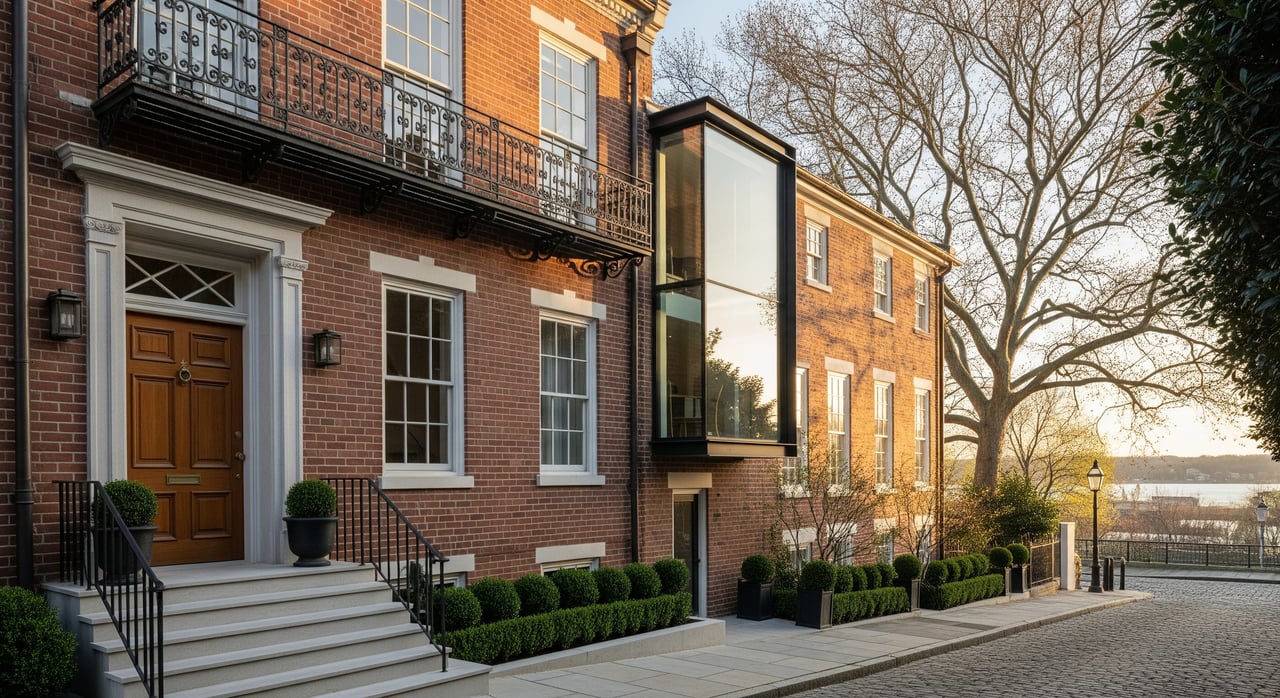
Planning a Georgetown renovation or custom home and weighing architect-led versus design-build? In a neighborhood where historic review and craftsmanship carry real weight, the delivery path you choose can shape design outcomes, approval timelines, and budget predictability. You want a process that honors your vision, navigates Old Georgetown Board review, and keeps surprises to a minimum. This guide breaks down each approach through a Georgetown lens so you can choose with confidence. Let’s dive in.
Architect-led vs design-build in Georgetown
What each model means
- Architect-led: You hire an independent architect to design, then select a builder to construct. The architect can observe construction and advocate for your design.
- Design-build: You hire one entity that provides both design and construction. Cost and constructability feedback arrive early, which can shorten timelines.
Where each shines
- Architect-led strengths: Design fidelity and independent oversight. This path suits projects where historic detailing, authentic materials, and nuanced massing matter.
- Design-build strengths: Speed and integration. Early builder input can refine scope, pricing, and logistics, which helps on complex, tight urban sites.
- The tradeoff: Architect-led can take longer and may see more change orders in older structures if builder input comes late. Design-build can compress schedules, but you must protect design standards contractually and ensure strong preservation credentials.
Approvals in Georgetown and Foxhall
How each approach handles OGB/HPO
- Architect-led: Preservation-focused architects are accustomed to preparing submittals for the Old Georgetown Board and the DC Historic Preservation Office. Their independent role can help frame a preservation rationale on topics like masonry, windows, and rooflines.
- Design-build: A qualified design-build team with a historic architect can move quickly, integrating staging and site logistics into submittals. If preservation experience is thin, reviews may take more rounds, which adds time and cost.
Community and ANC outreach tips
- Plan early conversations with the Advisory Neighborhood Commission and neighbors. Sharing elevations, context photos, and materials can reduce friction.
- Many projects benefit from pre-application meetings with HPO or OGB staff to surface likely issues before formal review.
What to prepare for reviews
- Elevations, context photos, and sight-line diagrams, especially if an addition or roof element could be visible from public space.
- Material samples, window profiles, and masonry details that show historic authenticity.
- A clear strategy for mechanical equipment, solar panels, and screens to limit visibility.
Cost, contingencies, and contracts
Budgeting for hidden conditions
Older Georgetown homes often conceal structural, masonry, or hazardous material issues. Even with careful planning, conditions uncovered during selective demolition can change scope.
- Guidance: Renovation contingencies commonly range from 10 to 25 percent, with higher ranges for masonry and structural work or limited documentation.
- Reduce surprises by funding early investigations: selective demo, masonry analysis, window and roof framing checks, and lead or asbestos testing.
Procurement options that fit historic work
- Architect-led pathways:
- Competitive bid on complete documents can lock price to drawings, though lowest-bid selection is not always the best fit for high-craft restoration.
- Negotiated General Contractor or CM at Risk is often preferred for complex, high-end historic work, emphasizing qualifications and team alignment.
- Design-build pathways:
- Qualifications-based selection with a negotiated scope and price is common. Require proof of OGB/HPO approval history and sample deliverables.
Contract clarity you should require
- Define responsibility for OGB/HPO deliverables, including how many review cycles and who funds revisions.
- Spell out contingency tiers and change order workflows for unknown conditions.
- Set design-quality benchmarks: mock-ups, material schedules, and acceptance criteria.
- Address design ownership and licensing rights. In design-build, confirm professional liability for design and general liability for construction. In architect-led, the architect and contractor hold separate liabilities.
Schedule and site logistics
Urban constraints and staging
Georgetown’s narrow streets and constrained lots make logistics a real factor. Public-space permits may be required for stoops, sidewalks, curb cuts, or temporary staging, and some tree and stormwater matters involve additional DC agencies.
Ways to shorten timelines
- Design-build can overlap design and procurement, and start long-lead items sooner.
- Architect-led projects can stay efficient by bringing a contractor on during design for constructability input, even if you keep separate contracts.
- In both models, fewer RFIs and fewer redesign cycles come from early alignment on materials, visibility, and massing.
Quality and craftsmanship
High-end historic work lives and dies by craft. Whether you choose architect-led or design-build, insist on teams with proven experience in Georgetown and Foxhall.
- Ask for references, finished project photos, and examples of OGB/HPO submittals and approvals.
- Require mock-ups for masonry, pointing, windows, and custom millwork before full production.
- Confirm licensing, worker’s compensation, builder’s risk, and warranty terms.
Hybrid pathways that work
Architect-led with early builder involvement
Engage your architect through schematic or design development, then bring on a negotiated GC or CM at Risk to collaborate before construction documents. You preserve design intent while gaining pricing, logistics, and risk input when it matters.
Design-build with independent design oversight
Select a design-build team that includes a preservation architect and add independent design review at key milestones. Protect design fidelity with clear standards, submittal requirements, and mock-up approvals.
Georgetown-specific planning moves
- Prioritize visibility studies for additions or roof elements that may be seen from public space. Visibility often drives review outcomes.
- Treat windows, mortar composition, and brick repair methods as critical design elements. Authentic profiles and materials are scrutinized.
- Prepare for hazardous materials protocols. Lead paint rules commonly apply when disturbing older finishes.
- Coordinate zoning early for lot occupancy, setbacks, and party-wall conditions. Some projects may need relief.
Decision checklist for your project
- Engage a preservation-experienced architect for a feasibility and approvals strategy meeting.
- Fund selective demolition and condition assessments before locking your contract approach.
- Choose procurement based on goals: negotiated GC/CMAR for architect-led, qualifications-based RFP for design-build.
- Build HPO/OGB review time and fees into the schedule and budget.
- Include a contingency of 10 to 25 percent based on scope and unknowns.
- Require mock-ups and a detailed materials schedule with sign-offs.
- Plan early community and ANC outreach, and schedule a pre-application touchpoint with HPO or OGB staff.
How Chesapeake helps you choose wisely
You deserve a partner who respects design intent and delivers with discipline. Chesapeake Custom Homes & Development is a boutique, principal-led builder that works comfortably in both architect-led and design-build environments across Georgetown and Northwest Washington.
- If your project is architect-led: We collaborate closely with your architect and interior designer, provide design assistance and value engineering during preconstruction, and offer negotiated GC or percentage-based project management so you keep control with budget transparency.
- If your project favors design-build: We assemble preservation-experienced design teams, set clear design standards and mock-up milestones, and provide fixed-price or GMP-style cost clarity with early constructability input.
- In either case: You get a phased, transparent process that aligns feasibility, approvals, procurement, and construction. Principal involvement means hands-on coordination of complex details, constrained-site logistics, and high-finish execution.
If you want a Georgetown home that balances historic character with modern performance, the right delivery model will support that vision. Choose the path that fits your priorities, protect design standards in your contracts, and build in the time and resources needed to navigate reviews efficiently.
Ready to explore your best path? Schedule a feasibility conversation and we’ll map a clear plan for approvals, cost, and craft.
Chesapeake Custom Homes & Development
FAQs
Which delivery model works best for Georgetown approvals?
- Both architect-led and design-build can succeed. The deciding factor is a team with documented Old Georgetown Board and Historic Preservation Office approvals and thorough submittals that address massing, visibility, and materials.
How much contingency should I carry for a whole-house renovation in Georgetown?
- Industry guidance is 10 to 25 percent, with higher allocations for masonry and structural unknowns or when limited documentation exists.
What should I demand in a design-build contract to protect design quality?
- Require clear design standards, independent design review at milestones if needed, mock-up approvals, defined change order workflows, and explicit ownership or licensing rights for design documents.
Does an architect-led approach reduce change orders in old houses?
- It can reduce design-related changes through detailed documents, but older buildings still produce change orders from hidden conditions. Early investigations and collaborative builder input help minimize risk.
What is the advantage of negotiated GC or CM at Risk for historic work?
- Qualifications and team fit take priority over the lowest bid, which often yields better outcomes for complex restoration, custom millwork, and masonry details in Georgetown.