What if the biggest driver of Bethesda’s custom home trends is not a Pinterest board, but your lot and local rules? If you are planning a new build or major renovation in 20817, you already know the stakes are high and the details matter. This quick guide shows you what is shaping demand right now, from site constraints to layouts, finishes, permits, and timelines, so you can plan with confidence. Let’s dive in.
Why Bethesda lots shape design
Most new projects in Bethesda happen on established neighborhood lots. You are more likely to rebuild or renovate than build on raw land. Small or irregular footprints, mature trees, and adjacent homes push you toward designs that fit the street, preserve canopy where possible, and maximize value per square foot.
Public utilities are a plus. WSSC water and sewer, along with Pepco electric service, simplify planning compared to septic-dependent markets. Even so, common site features like slopes, existing retaining walls, utility easements, and occasional rock can affect feasibility and cost.
In some blocks, historic or conservation overlays and community covenants influence height, materials, setbacks, and massing. Even when not binding, neighborhood input can be important. The result is clear. You should prioritize site-sensitive massing, tree protection, and tight, efficient plans that live large without sprawling.
The look buyers want now
Exterior curb appeal
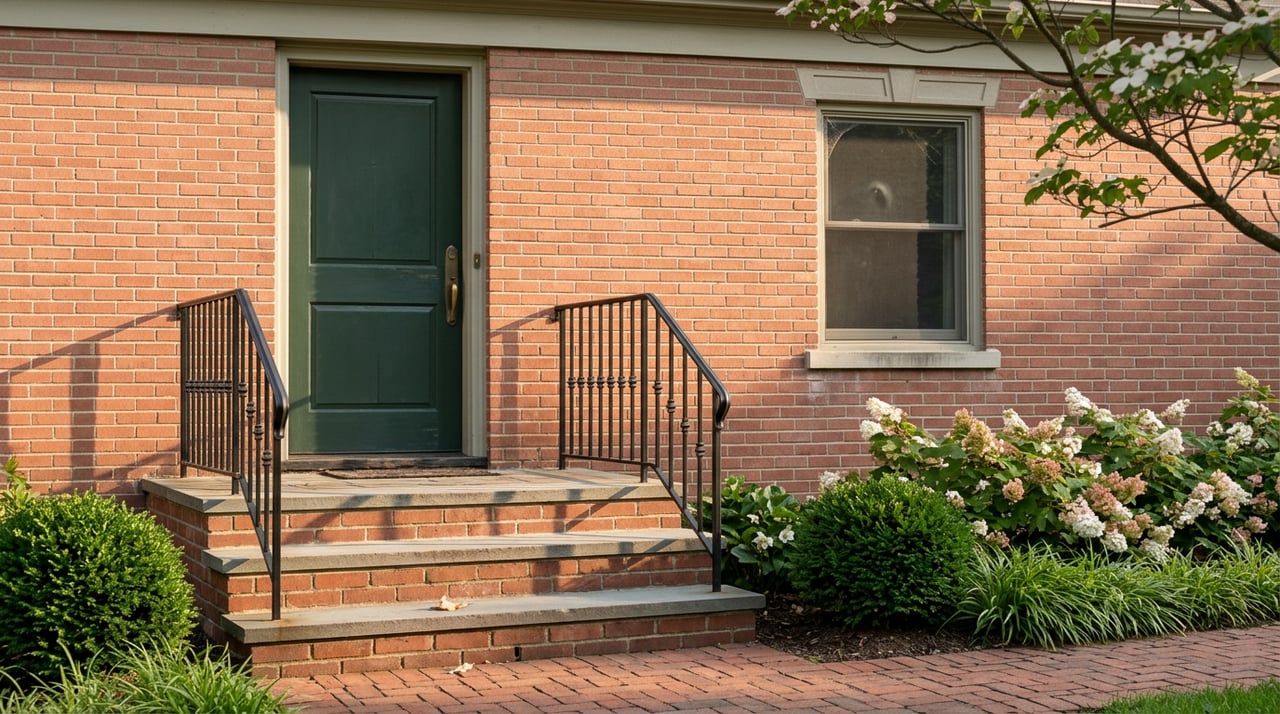
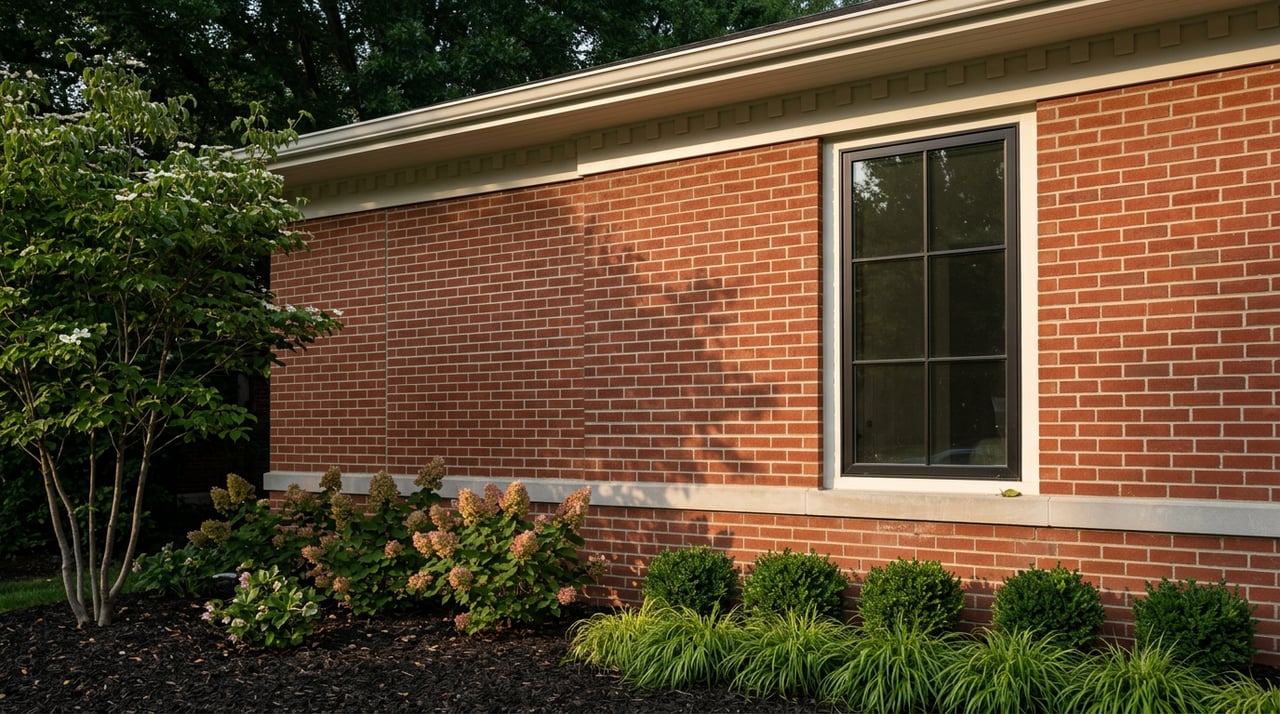
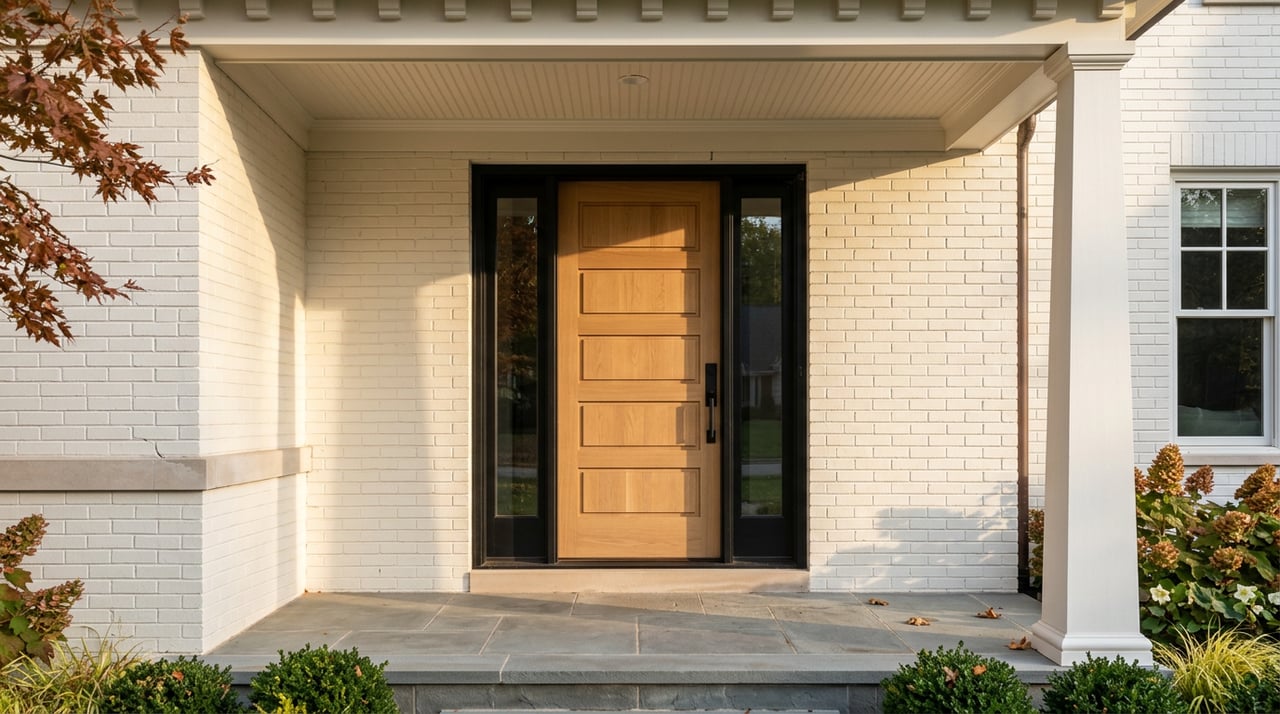
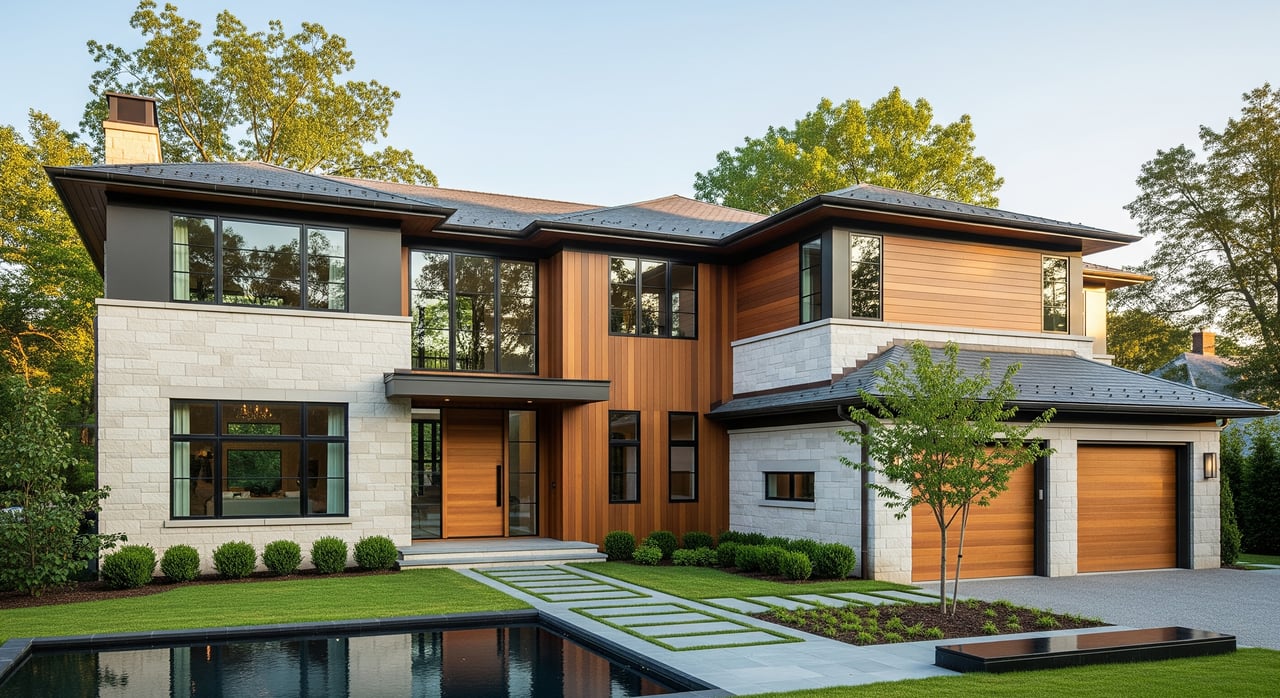
Bethesda owners favor a transitional look. Think clean lines paired with familiar materials such as brick, stone, or fiber cement. Dark window frames and light metal accents are common. Facades are composed, entries are welcoming, and landscaping frames the house for walkable, street-focused living.
Layouts that live better
Flexible rooms are a must. You want spaces that can shift from office to guest room, or media to gym, without rework. Open living is still popular, but with smart zoning for acoustics and privacy using pocket doors or sliding partitions.
Main-floor primary suites are in demand. This supports aging in place and resale appeal. Kitchens are larger and more functional, with big islands, generous walk-in pantries or butler spaces, and mudrooms located near the garage to keep daily life organized.
Lower levels and ADU potential
Lower levels are not an afterthought. High-quality finishes, larger windows for natural light, and walkout designs add usable square footage that feels connected to the rest of the home. Separate entrances can support a nanny suite or, where permitted, accessory dwelling options.
Outdoor rooms that work year-round
Outdoor living is an extension of your plan. Screened porches, covered or heated patios, outdoor kitchens, and integrated fire features help you enjoy the yard beyond summer. Large sliding or bi-fold doors and consistent flooring create a seamless indoor-outdoor connection.
Materials, tech, and energy
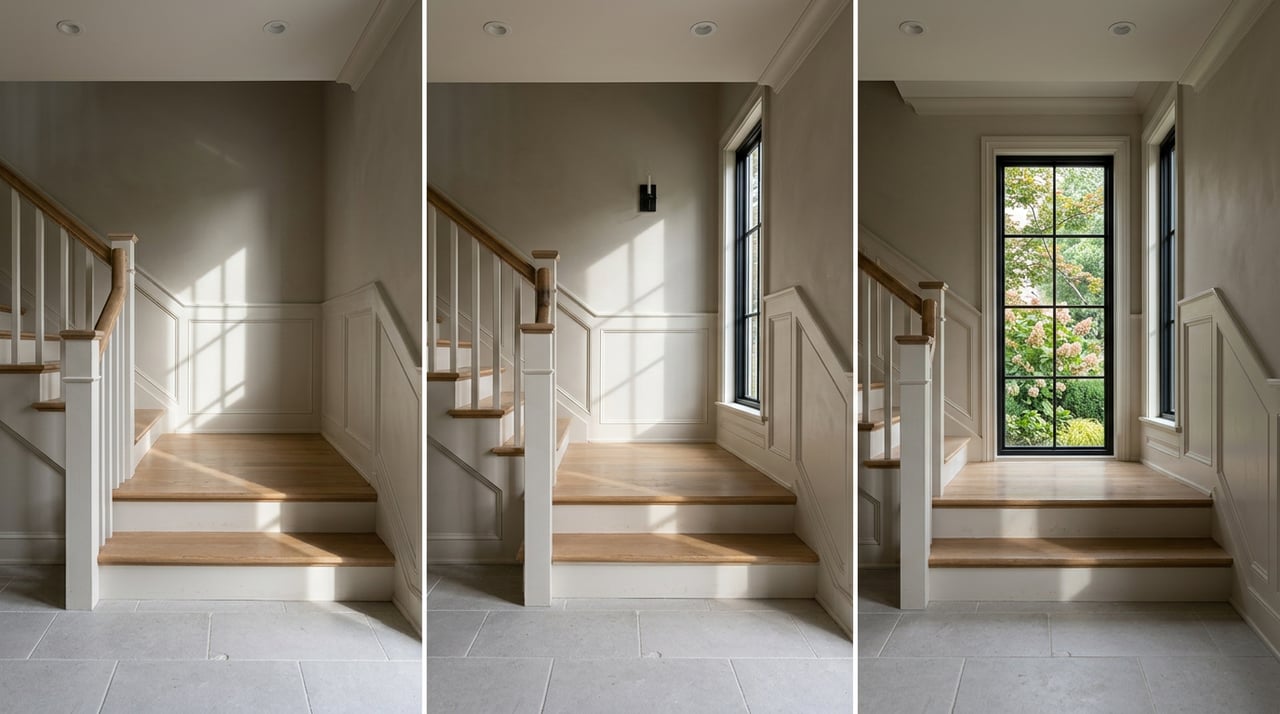
Buyers lean toward natural and tactile materials. Stone or quartz tops, hardwood floors, warm neutrals, and matte metals feel current without shouting. Hidden storage and integrated appliances keep lines clean.
Smart systems are now baseline. Whole-home automation for lighting, security, HVAC zoning, shading, and audio is common. Energy performance is top of mind, with high-performance windows, improved insulation, and air-source heat pumps. Many owners plan for solar readiness and include EV charging in the garage.
Accessibility and multigenerational living
You may be designing for today and tomorrow. Wider doors, a zero-step entry, and a main-level primary suite allow you to age in place. Separate bedroom suites or ADU-like spaces, where permitted, support multigenerational living. These choices improve daily comfort and can help with resale.
Permits and rules that matter
Montgomery County has a clear but detailed process. Expect to work with the Department of Permitting Services for building and trade permits, and the Maryland-National Capital Park and Planning Commission for zoning guidance. WSSC manages water and sewer connections. Historic preservation boards can play a role in designated areas.
Zoning sets your buildable envelope, including setbacks, height, and floor-area ratio. Tree preservation and forest conservation rules are real considerations. On many lots, tree removal triggers mitigation or replacement, which can add cost and time. Most projects with land disturbance will require sediment control and stormwater plans, including measures such as permeable paving, rain gardens, or underground detention.
If your lot is sloped, expect grading and possible retaining wall design. New or relocated driveways can require approvals for curb cuts and sightlines. Historic or conservation overlays can limit exterior materials, window placement, and massing, and they often add review time. ADU rules vary by zone and timing, so confirm current standards early if you plan a separate suite or rental unit.
To stay on track, line up early studies. A topographic survey, tree inventory, and soil or geotechnical review help your team shape the plan. Pre-application meetings with the County can identify pinch points. Build time into your schedule for review cycles and revisions.
Budget and timeline reality
Site conditions are big cost drivers. Tree protection and removal, rock excavation, grading, retaining walls, and stormwater systems can move the budget quickly. Foundation needs, especially on tricky soils or with high water tables, can also add cost.
Finish level and systems matter. Bespoke millwork, integrated appliances, high-efficiency mechanicals, and advanced smart-home features raise the per-square-foot cost. Complex rooflines or custom architectural elements increase structural and labor intensity. Utility upgrades for EV charging or high-performance HVAC are common and worth planning up front.
For timing, expect a staged journey. A comprehensive design phase often takes 3 to 6 months. Permitting ranges from weeks for minor scopes to several months for new builds or projects with variances, site plan reviews, or environmental mitigation. Construction for a new custom home often runs 9 to 18 months, depending on complexity and site conditions.
Have buffers in place. A contingency of 10 to 20 percent is common for both budget and schedule, accounting for permitting delays, hidden site conditions, supply chain issues, and change orders.
Financing adds another layer. Lenders typically want stamped plans and clear permits. Energy incentives may be available at the federal, state, or utility level for heat pumps, solar, and efficiency upgrades, which can help offset costs. Be mindful of County permit fees, possible impact fees for certain upgrades, and the likelihood of a new property tax assessment after a major expansion or rebuild.
How to plan a winning Bethesda build
Start with the site. Gather a current boundary and topographic survey, utility locations, and a tree inventory. Confirm water and sewer connections. Check zoning, setbacks, lot coverage, and any historic or overlay conditions before you finalize design.
Use a simple pre-design checklist:
- Survey, tree inventory, and utility mapping
- Zoning, setbacks, lot coverage, and overlay checks
- Early studies for geotechnical, stormwater, and sediment control
- Pre-application discussions with permitting agencies
Keep costs manageable with smart choices.
- Preserve mature trees where feasible and design around them
- Avoid unnecessary structural complexity and intricate rooflines
- Standardize window sizes where practical
- Use durable, low-maintenance materials in high-wear areas
Choose a locally experienced team. Architects and builders who know Montgomery County processes, neighborhood expectations, and typical site constraints can shorten timelines and reduce surprises. Order long-lead items early, such as windows, custom millwork, and HVAC equipment, so procurement does not stall your schedule. Clarify contracts and change-order processes so allowances, selections, and budget tracking stay transparent.
How Chesapeake Custom Homes & Development helps
A smooth Bethesda project balances design ambition with disciplined execution. You deserve principal-level attention, a clear plan, and a builder who collaborates closely with your architect and interior designer.
Chesapeake Custom Homes & Development focuses on a limited set of high-value projects, which keeps leadership hands-on from feasibility through construction. The team uses a transparent, phased approach that can include feasibility, design assistance, value engineering, procurement, and build. You can choose a fixed-price contract for cost certainty or a percentage-based model for owner’s-rep style management and flexibility.
As a local, design-forward builder active in Bethesda and nearby neighborhoods, Chesapeake understands permitting, tree preservation and stormwater requirements, and the finishes buyers expect. The goal is simple. Protect your budget and timeline, deliver strong curb appeal and function, and create a home that fits your lot and neighborhood.
Ready to map your project with an experienced partner? Connect with Chesapeake Custom Homes & Development to Schedule a Feasibility Consultation.
FAQs
How do Bethesda lot sizes affect design?
- Smaller or irregular lots, along with mature trees and adjacent homes, push you toward efficient footprints, vertical expansion, and site-sensitive massing.
What permits are needed for a custom home in Montgomery County?
- You will work with the Department of Permitting Services for building and trade permits, zoning guidance from M-NCPPC, and WSSC for water and sewer connections.
Are first-floor primary suites popular in Bethesda?
- Yes, main-level primary options are in demand for aging in place and resale appeal, and they fit well with efficient, value-per-square-foot planning.
What outdoor features add value in 20817?
- Screened porches, covered or heated patios, outdoor kitchens, and integrated fire features extend use beyond summer and support seamless indoor-outdoor living.
How long does a new custom home take in Bethesda?
- Design often takes 3 to 6 months, permitting can run several weeks to months, and construction typically ranges from 9 to 18 months depending on complexity.
What energy features should I plan for in Montgomery County?
- High-performance windows, better insulation, air-source heat pumps, solar-ready design, and EV charging are common and align with buyer expectations.
Can I add an ADU in Bethesda?
- ADU rules vary by zone and timing. Where allowed, separate suites or ADU-like spaces offer multigenerational living or rental potential and require dedicated permits.